Scope creep isn't a client problem, it's a documentation problem
Published 25 September 2026
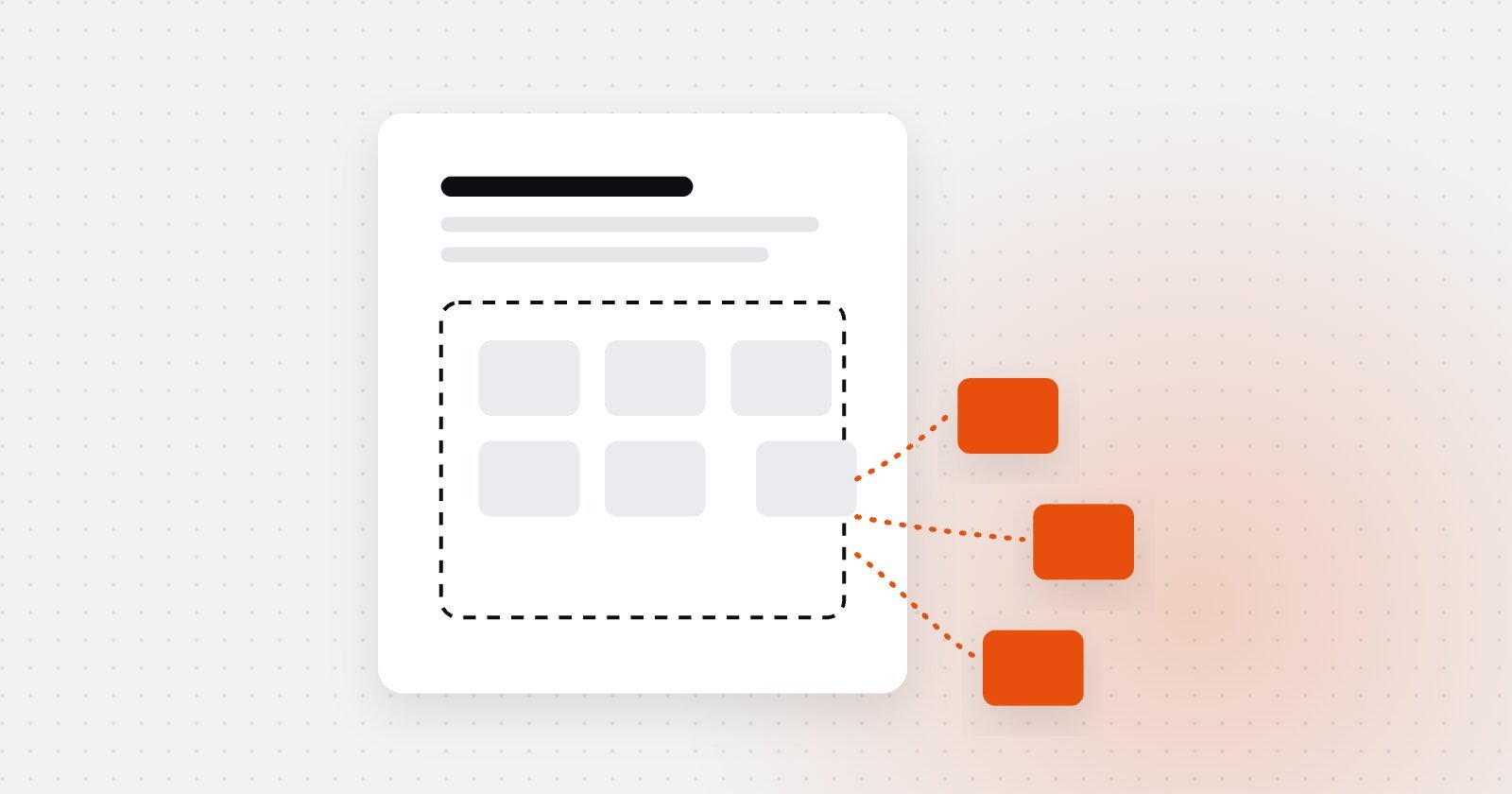
Every PM has heard some version of the same line: "the client keeps changing their mind." It's the easiest explanation in delivery, and it's usually wrong. Clients don't wake up plotting to sabotage a timeline. They ask for reasonable-sounding things because nobody ever wrote down, in a way everyone agreed to, what "done" actually looked like in the first place.
Scope creep isn't a client behaviour problem. It's what happens when scope was never documented clearly enough to be defended.
Why "the client changed their mind" is the wrong diagnosis
When a PM blames the client for scope creep, what's actually happened nine times out of ten is one of three things: the original scope was agreed verbally or in a vague proposal line, nobody wrote down what was explicitly excluded, or the document that did exist was never referenced again once the project started moving.
A scope statement fixes this, but not because it's a longer document. It fixes it because it forces the "what's not included" conversation before the work starts, not three weeks into delivery when someone's already annoyed.
What a scope statement actually does
A scope statement is not the same as a project brief and it's not the same as a statement of work. A brief describes why the project exists. An SOW is often a commercial and legal document. A scope statement sits underneath both: it's the working reference that says, in plain terms, exactly what will be delivered, exactly what won't, and what has to be true for that boundary to hold.
Three things a scope statement needs to do that a proposal document can't: separate "included" from "excluded" as two equally weighted lists, not one list with caveats buried in a footnote; name the assumptions the scope depends on, so that when an assumption breaks, it's visibly a scope conversation, not a surprise; and set out, in one short paragraph, what happens when someone asks for something outside the list, not "we'll discuss it," but the actual mechanism: a change request, a re-quote, a sign-off step.
A worked example
Take a website redesign again, since it's the example everyone recognises. The proposal says "redesign of the marketing website." That single line is doing an enormous amount of unstated work. Does it include the blog templates? The careers page? A copy rewrite, or just a visual refresh of existing copy? None of that is malicious ambiguity, it's just normal language doing what normal language does, which is leave gaps.
A scope statement for the same project would say, explicitly: Included, homepage, product pages, about page, contact page, visual redesign only, existing copy retained. Excluded, blog template redesign, careers page, copywriting, CMS migration. Assumption, client supplies final sitemap by an agreed date; if that date slips, the delivery date moves with it. Change process, anything outside the Included list goes through a written change request with a revised estimate before work starts.
When the client later asks "can you just add a careers page while you're in there," the PM isn't relying on memory or goodwill to say no. They're pointing at a document both sides already signed off on.
Where PMs get it wrong
The most common mistake isn't skipping the scope statement, most PMs know they should have one. It's writing it once, at kickoff, and then never looking at it again. Scope creep doesn't usually arrive as one dramatic request; it arrives as a dozen small "can you also" moments, each reasonable on its own, none of which anyone checks against the document.
The second mistake is writing the excluded list too vaguely to be useful. "Excludes any additional pages" sounds firm until someone asks for one "small" additional page and the PM has no clean way to say it wasn't in scope, because "additional" was never defined against a specific list.
A workable way to use it
Write the scope statement before the kickoff meeting, not during it, so it can be reviewed rather than negotiated live. Walk through the Included and Excluded lists out loud with the client at kickoff, not to be adversarial, but so both sides hear the same boundary in the same room. Then actually reference it: when a request comes in mid-project, the first move isn't judgment, it's checking the document. That single habit is what turns a scope statement from a filing exercise into a working tool.
Scope creep isn't solved by pushing back harder on clients. It's solved by writing down, before anyone's annoyed, what "included" and "excluded" actually mean, and then using that document instead of memory once the project is underway.
Deliverables, boundaries, assumptions and success criteria in one document, so "I thought that was included" never comes up.
7 templates live · lifetime access · 14 day refund